
 zakaz@net-server.com.ua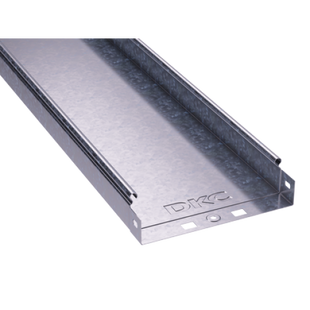








|
Quantity
|
Out of stock
|
||
|
|
|||
|
|
|||
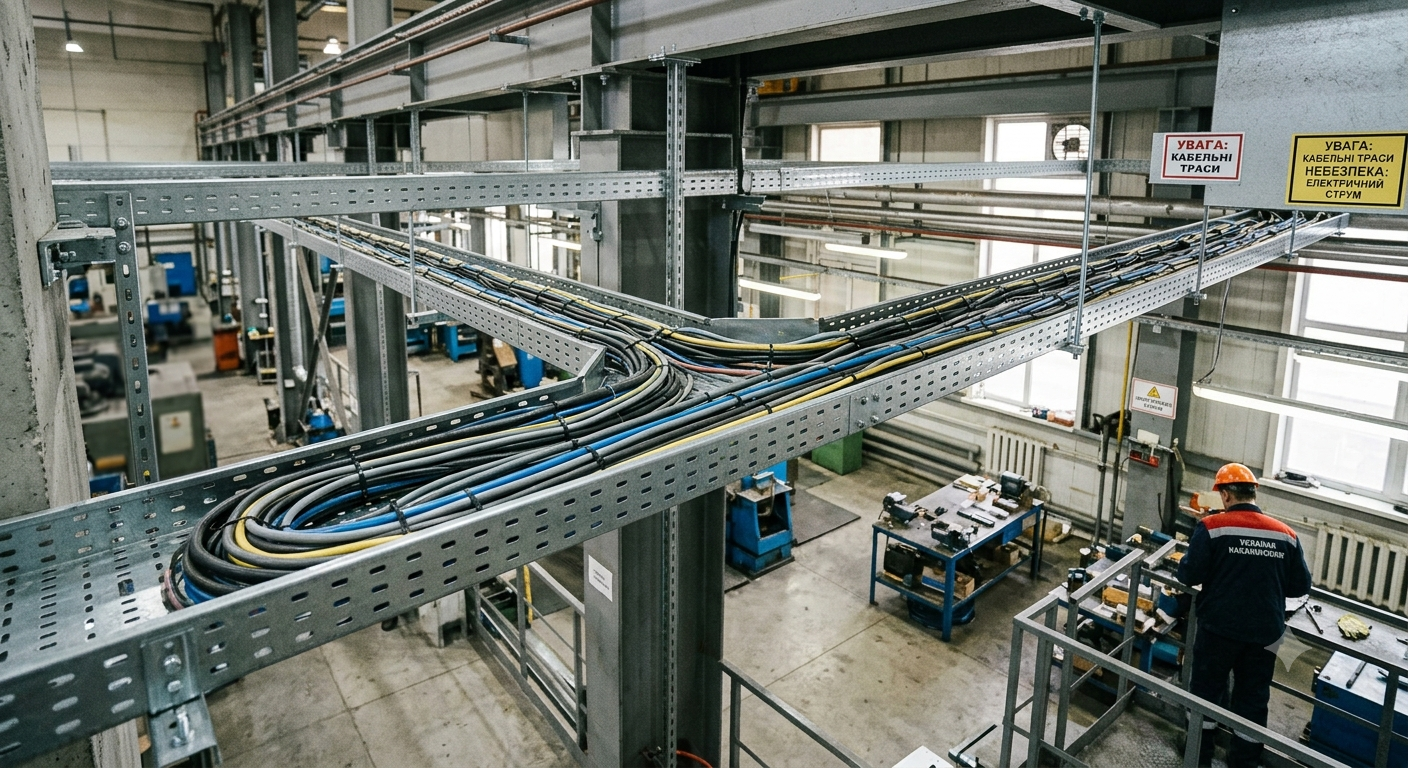
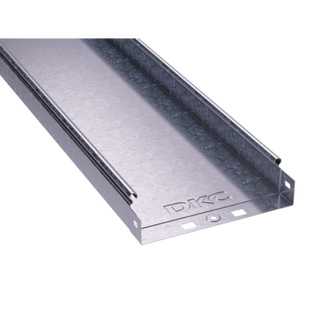
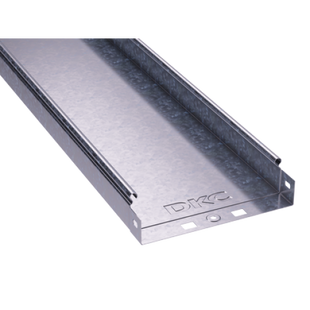
Metal Cable Trays for Cable Routing
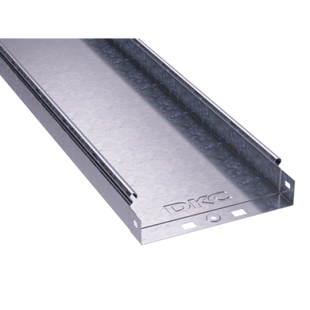
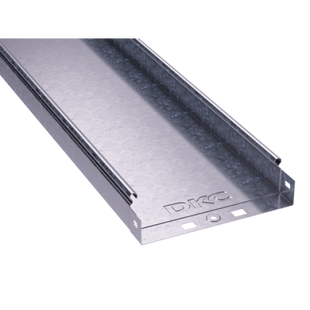
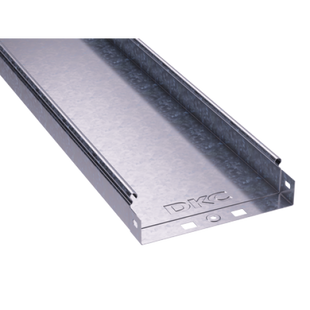
Metal cable trays are designed for the organized routing of power, data, telecommunications, and low-voltage cables. They help create a convenient cable route, provide access to wiring during maintenance, and protect cables from accidental mechanical damage.
Metal cable trays are used in industrial facilities, warehouses, shopping and business centers, server rooms, data centers, offices, residential buildings, and other locations where safe and tidy cable routing is required.
Types of Metal Cable Trays
When selecting a cable tray system, it is important to consider the installation location, the number and weight of the cables, operating conditions, mounting method, and the required level of protection. The main types of metal cable trays available in the catalog include:
- Perforated cable trays — feature openings in the base and side walls that reduce the weight of the structure, simplify cable fastening, and provide natural ventilation.
- Solid-bottom cable trays — have a continuous base and are used where additional cable protection against dust, dirt, or external mechanical impact is required.
- Wire mesh cable trays — are a convenient solution for routing data, network, and low-voltage cables. Their open design provides easy access to the cable route.
- Heavy-duty and reinforced cable trays — are designed for routing large quantities of cables and for use in facilities with increased load requirements.
- Special-purpose cable trays — are selected for non-standard installation conditions, complex cable routes, and specialized engineering tasks.
How to Choose a Metal Cable Tray
To select the right cable tray, it is recommended to consider several key parameters:
- Width and height. The tray dimensions should correspond to the number of cables and include additional capacity for future system expansion.
- Section length. Standard sections simplify route planning and help calculate the required quantity of materials.
- Metal thickness. This affects the strength of the structure and its permissible load.
- Construction type. A perforated, solid-bottom, wire mesh, or reinforced tray should be selected depending on the purpose of the cable line.
- Protective coating. The coating type should be selected according to humidity, temperature, and other operating conditions.
- Mounting method. Cable trays can be installed on walls, ceilings, suspended structures, brackets, or mounting profiles.
It is important to consider not only the tray size but also the permissible load, the distance between supports, and the manufacturer’s recommendations. This will help create a stable and reliable cable route.
Accessories for Cable Tray Installation
A complete system requires accessories for metal cable trays. These include connectors, bends, elbows, tees, crosses, reducers, covers, dividers, brackets, suspension elements, mounting profiles, and other components.
Fittings make it possible to change the direction of the cable route, create branches, connect sections of different sizes, and bypass structural elements of a building. It is recommended to use trays and accessories from compatible product ranges to ensure precise connection of all components.
Advantages of Metal Cable Tray Systems
- strong and stable construction;
- convenient cable installation and maintenance;
- the ability to build cable routes of various configurations;
- a wide range of sizes and construction types;
- the possibility of expanding or upgrading the cable system;
- availability of fasteners, covers, and shaped accessories.
Buy Metal Cable Trays in Ukraine
At the Net-Server online store, you can buy metal cable trays in various sizes and designs, as well as select accessories for creating a complete cable route. The catalog includes solutions for telecommunications networks, electrical wiring, server rooms, industrial facilities, and other applications.
When choosing a product, pay attention to the dimensions, metal thickness, permissible load, coating type, and compatibility with mounting accessories. If necessary, our specialists will help you select a cable tray and the required components according to the installation conditions. Orders are delivered throughout Ukraine.
Frequently Asked Questions
Which cable tray is better: perforated or solid-bottom?
A perforated tray is convenient for cable ventilation and quick installation. A solid-bottom tray has a continuous base and provides additional protection for the cable line. The choice depends on the cable type and operating conditions.
How do I determine the required tray size?
You should consider the number, diameter, and total weight of the cables. It is advisable to leave additional space for convenient cable installation and possible future system expansion.
Can metal cable trays be installed outdoors?
Yes, provided that the tray design and protective coating are suitable for the relevant operating conditions. For outdoor installation, humidity, temperature fluctuations, and the risk of corrosion must be considered.
Which components are required for installation?
The required set depends on the route configuration. Connectors, brackets or suspension elements, bends, tees, reducers, covers, dividers, and mounting fasteners are commonly used.